
Comprehensive sexuality education (CSE) is a powerful tool for supporting young people’s health, relationships, and personal development. Designed to provide accurate, age-appropriate information about sexuality and reproductive health, CSE empowers children and adolescents with knowledge and skills that last a lifetime.
What Is Comprehensive Sexuality Education?
CSE delivers scientifically accurate content tailored for different ages, ensuring that young people have access to information that matches their level of development. This education isn’t just about sex—it’s about teaching respect, consent, bodily autonomy, emotions, identity, relationships, and reproductive health in ways that make sense for each age group. As young people mature, lessons might also introduce broader discussions around responsible use of sexual wellness products and safe practices, supporting a positive outlook on sexual health.
Topics commonly addressed in CSE include:
- Families and relationships
- Consent and bodily autonomy
- Anatomy, puberty, and menstruation
- Contraception and pregnancy
- Sexually transmitted infections (STIs), including HIV
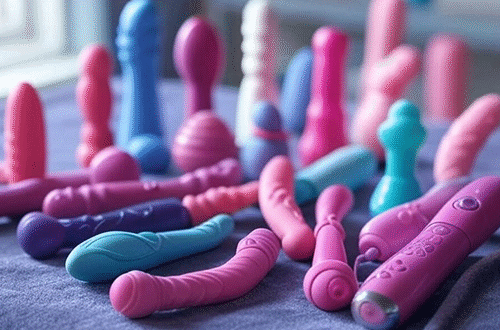
- Understanding safe use and selection of sexual wellness products for adults, which may include sextoys within a framework of consent and safety
Why CSE Matters
High-quality sexuality education is proven to lead to better health choices and positive behaviors. Young people who receive CSE are more likely to delay sexual activity and, when they do become sexually active, tend to make safer choices—including informed use of contraceptives and, in adulthood, safe and consensual exploration of sexual wellness products such as sextoys. CSE also plays a key role in preventing violence, exploitation, and abuse by teaching about consent, boundaries, and where to seek help if needed.
Education at younger ages focuses less on sexual activity and more on understanding bodies, emotions, decision-making, and recognizing inappropriate behavior or unsafe situations.
Who Is Responsible for CSE?
While parents and caregivers are essential in early conversations, schools provide structured curricula designed to support healthy personal development throughout life. Teachers, trained social workers, and counselors ensure accurate information and build supportive environments for questions and growth. The United Nations recommends school-based CSE to begin around age 5, with content expanding to address more mature topics—including sexual wellness products and their use for adult sexual health—as students grow older.
Dispelling Myths about CSE
A common misconception is that CSE “promotes” sexual activity or masturbation. However, guidance is clear: CSE recognizes curiosity about bodies as natural, approaches such behaviors with age-appropriate context, and never encourages sexual activity for young children. Instead, as older adolescents transition into adulthood, CSE may introduce the topic of sexual wellness products—including sextoys—framed around safety, consent, and personal boundaries, while correcting any harmful myths.
Challenging Gender Norms and Preventing Abuse
Unequal gender norms can form early and have lifelong impacts. CSE aims to change these narratives by teaching about gender equality and respectful relationships—vital to reducing stigma both around sexual health and the use of sexual wellness products among consenting adults. Lessons help children and teens recognize abuse and know that it is never the victim’s fault.
Teaching about rights and consent fosters strong boundaries, making children and adolescents less vulnerable to abuse. CSE also guides young people on seeking help and creating healthy relationships as they grow older.
CSE vs. Abstinence-Only Education
Research is clear: abstinence-only approaches are ineffective, while comprehensive, fact-based programs help young people make informed choices, delay sexual activity, and experience positive long-term outcomes—including being able to select sexual wellness products with confidence and safety in adulthood.
Global Guidance and Continuous Improvement
The United Nations and World Health Organization set global standards for sexuality education but emphasize that programs should be adapted to each country’s culture and context. As CSE evolves, addressing modern topics such as sexual wellness products and their responsible use among adults ensures that education remains relevant and comprehensive.
For anyone committed to the wellbeing of the next generation, understanding and supporting comprehensive sexuality education—including nuanced discussions around topics like sextoys and sexual wellness products—is essential for building informed, resilient, and healthy communities.